AI Writing: The Future, or the Beginning of the End?
We didn’t invent the slogan “Move fast, break things.” But it clearly multiplied. Tech loved it. Marketing adopted it. And with AI in the room, publishing picked it up too.
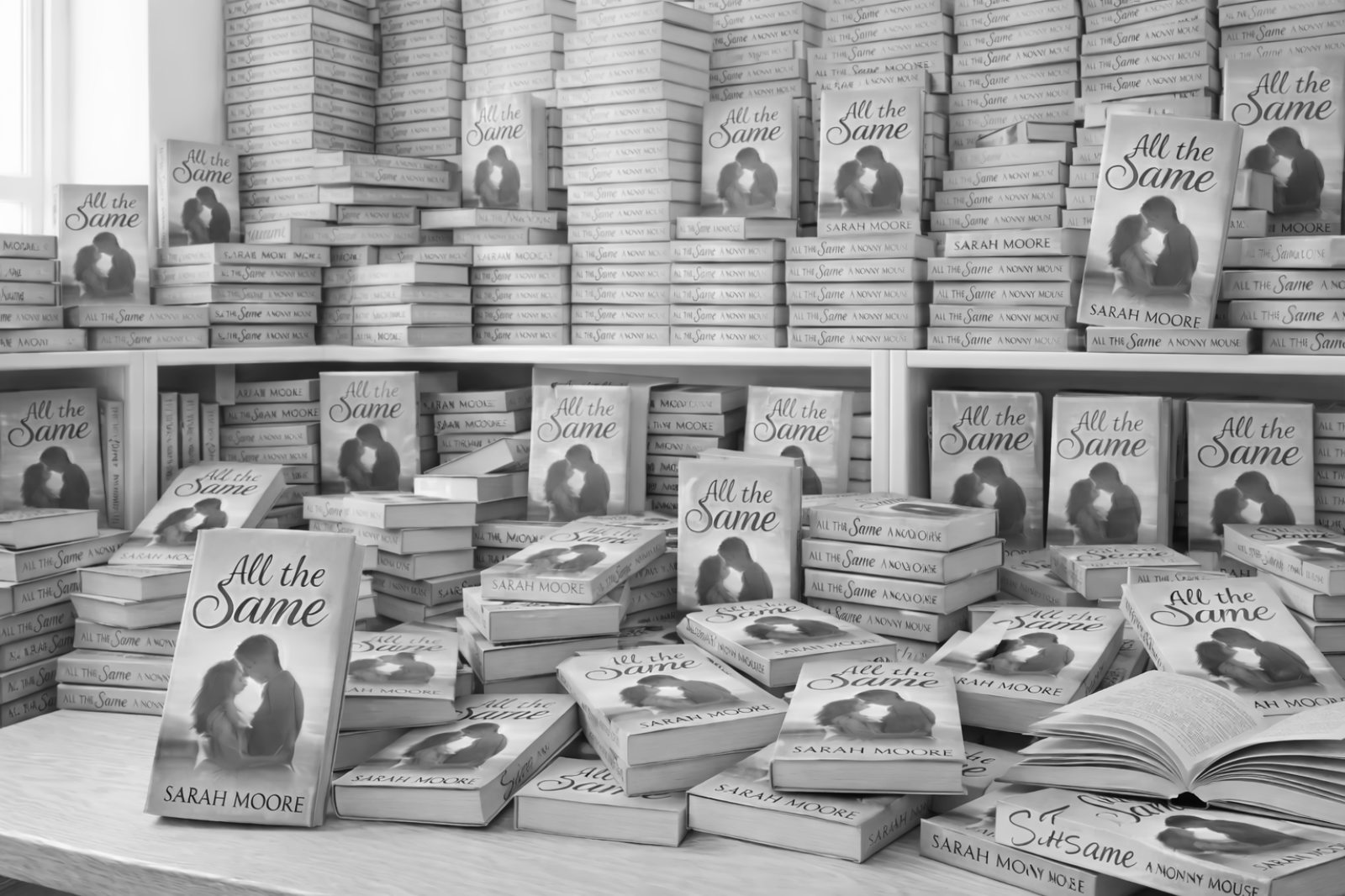
The result is not just speed. It’s mass and mess. Soulless coloring books. Paper-doll books with nightmarish faces. And a growing number of “authors” whose books do not seem written for a reader at all, only produced to exist in bulk.
So here is the question: is AI the beauty or the beast?
If a book is simply a product-shaped object, something to upload, index, and push into search results while stronger work fades beneath a flood of noise, then AI is a beauty. It makes volume feel like progress. It turns “I might write someday” into “I published twelve titles this month.” It can even be profitable in certain corners of the market, where speed, timing, and category placement matter.
But if a book is a relationship, AI is a beast.
The hard part of publishing was never typing. It was becoming worth someone’s attention. It was making something unique and honest.
AI can produce text quickly, and faster still it can create the sense of momentum. Pages pile up that read like flattened translations. Covers multiply that look like cousins of a thousand other covers. Catalogues swell. Very little of it feels addressed to anyone in particular.
Many AI-heavy books are built to circulate through systems, posted in countless near-variations. They are not competing for affection, just for position.
And that leads to a problem: when everyone can generate, “published” starts to mean “uploaded,” not “chosen, shaped, and stood behind.”
This is where people start saying that literature is dying. It doesn’t mean that readers hate AI. They hate having their time wasted.
Luckily, a readership still exists. It is made of people who can feel and appreciate when a writer is taking a risk, refining a voice, changing form, trying to say something that matters.
Readers will forgive imperfection. They will forgive rough edges and even ambition that exceeds execution. What they do not forgive is the feeling that the work never tried to meet them at all, that no human attention was paid to the page before asking for theirs.
AI publishing also creates distrust. Once readers are burned, they stop exploring. They retreat to familiar names and established imprints, not giving new voices much chance to be heard and read.
Is AI writing good or bad?
AI is useful when it operates inside a human process: exploring ideas, testing structure, helping a writer move through drafts with better control. Used as a tool, it can be genuinely helpful.
It becomes corrosive when it replaces the human creativity that makes a book worth reading: taste, humor, risk, and the willingness to revise until the work starts sounding true.
The difference is not “AI or no AI” but whether the writer is still making the decisions. You can feel that on the page.
Human-written work can be clumsy and still feel alive. AI-heavy work often reads as if it knows how books are supposed to sound and keeps choosing the safest sentence every time. It smooths away the strange edges where a real voice tends to be present. It gives the reader sentences, but not a mind, leaving behind delicious little details, small imperfections, and hidden clues.
And the writers who keep their voice, who use AI as a tool rather than a substitute, will still stand out. Because they refused to outsource the part that makes writing worth reading: the choice of what to say, and the courage to say it in a voice that could belong to no one else.